Rhinophyma develops over many years, making the nose appear tuberous or bulbous with red discoloration. The vessels on the nose enlarge, cysts and pustules may erupt, making the skin extra oily, and the tissues on the end of the nose appear as if they expand. Though rosacea is more common in women, end-stage rosacea with rhinophyma is more common in men. It is thought that the higher level of male hormones, such as testosterone, may contribute to the overgrowth of tissue. Sometimes, extensive cases of overgrowth may occur with cancerous tumors.
Causes of Rhinophyma or “Alcoholic Nose”
Stress, both physical and emotional, is another important trigger that can worsen rosacea symptoms through various biological pathways. Other hormonal fluctuations, such as those occurring during pregnancy or with certain medical conditions, can also affect rosacea symptoms. Some research suggests that hormones may influence sebaceous gland activity and inflammation patterns in ways that contribute to the tissue overgrowth seen in rhinophyma. However, frequent and excessive drinking can lead Oxford House to several problems with the skin.
Our Addiction Programs
While alcohol can contribute to rosacea and rhinophyma, it does not seem to cause the conditions in the first place. You or your loved one can find freedom from the damaging effects of alcohol use. Find treatment today through the myriad of treatment options at Bedrock Recovery Center. Experiencing tremors or shaking after stopping alcohol use is a common symptom of the early stages of alcohol withdrawal.
Medical Treatment Options
A medically supervised detox allows them to fully quit drinking in a safe, encouraging environment. Alternatively, someone who suffers from alcohol addiction may feel like their rosacea is a constant, visible reminder of their struggles. Fortunately, it is possible to manage symptoms of rhinophyma to lessen their impact on daily life. This common name and years of misinformation from the medical community about the condition prompted a false link between alcohol abuse and alcoholic nose. Many doctors advise patients with rosacea to avoid drinking and cooking with alcohol, especially red wine for women, to avoid aggravating the skin condition. The most common side effect of rosacea in people who drink is flushed skin.
- They vary in size and, over time, completely change the shape of the nose.
- The most common side effect of rosacea in people who drink is flushed skin.
- For more advanced forms of rhinophyma, the most effective way to manage thickened skin is almost exclusively through physically removing excess tissue.
- These changes can make it very hard for someone to stop drinking when they choose.
For individuals with rhinophyma who also struggle with alcohol abuse, addressing alcohol use is an important component of comprehensive treatment. For severe cases, isotretinoin (formerly known as Accutane) may be considered. This powerful medication can significantly reduce sebaceous gland activity and inflammation, potentially preventing further progression of rhinophyma. However, isotretinoin requires careful monitoring due to potential side effects. Low-dose doxycycline (40mg daily) has been specifically approved for rosacea treatment and provides anti-inflammatory benefits without antimicrobial effects. This reduces the risk of developing antibiotic resistance while maintaining therapeutic benefits.
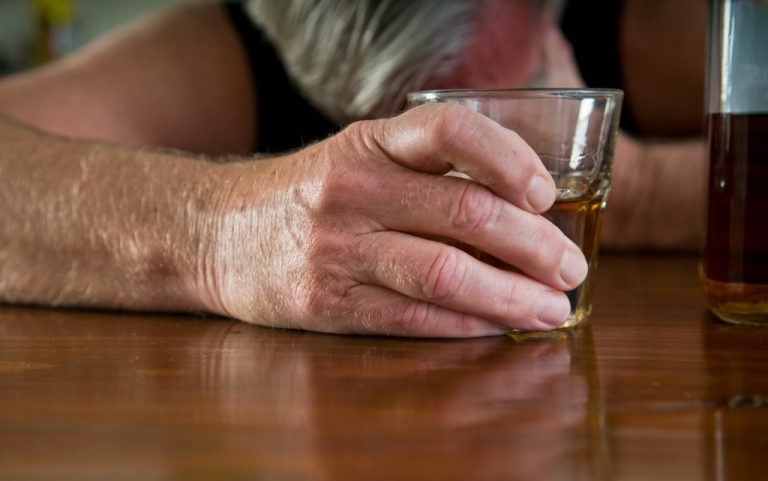
While it’s true that alcohol use may trigger rosacea flare-ups, this does not mean that every person with rosacea will automatically develop rhinophyma. It is an extreme side effect only experienced by a small percentage of people who suffer from rosacea. That being said, someone who already has rhinophyma may find their condition is worsened by drinking alcohol. If you have a purple nose and engage in heavy alcohol https://lunatix.agency/glen.lunatix.agency/?p=76 consumption, your drinking could be the factor that is triggering rosacea.
Cocaine Withdrawal Signs and Symptoms
Continue for 0.2 miles.Use the 2nd from the right lane to turn slightly right onto S Sepulveda Blvd (signs for I-105). Merge onto I-105 E. Continue for approximately 17 miles.Use the right 2 lanes to merge onto I-605 S towards Long Beach. Continue on I-405 S for approximately 38 miles.Take exit 92 for Bake Pkwy.
- It is important to note that while rhinophyma was once thought to be caused by heavy alcohol use, research has debunked this myth.
- Systemic, medical treatment of rosacea is critical for achieving control over the condition and to keep it from worsening.
- Those who drink more than 2 standard sized drinks per day, have an increased risk of inflammation due to vasoconstriction, resulting in red skin 6.
Additionally, a study published in the Journal of the American Academy of Dermatology noted that alcohol consumption increases the risk of rosacea in women. Similar research is needed on the link between alcohol consumption and rosacea in men. In severe cases, the bulk of the tissue on your nose will be removed with a sharp instrument or surgical cautery and will monitor the healing process with dressing changes. With your treatment program will come a support system of caring people who understand your challenges and will work with you while you strive to become free of addiction. Of course, stopping the consumption of all alcoholic beverages would be best.
Recovery Can Be Life Changing
Unfortunately, doctors are not yet clear on the direct cause of rhinophyma. It shows up more frequently in men than women and is common among those with fair skin and European ancestry. While alcohol drinkers nose photos can make rosacea worse, it is not the main cause of rhinophyma. If caught in the early stages, however, symptoms can often be managed with medication and lifestyle changes. There is no cure for rhinophyma, and it typically does not go away without surgery.